
Written by: Ian Brown
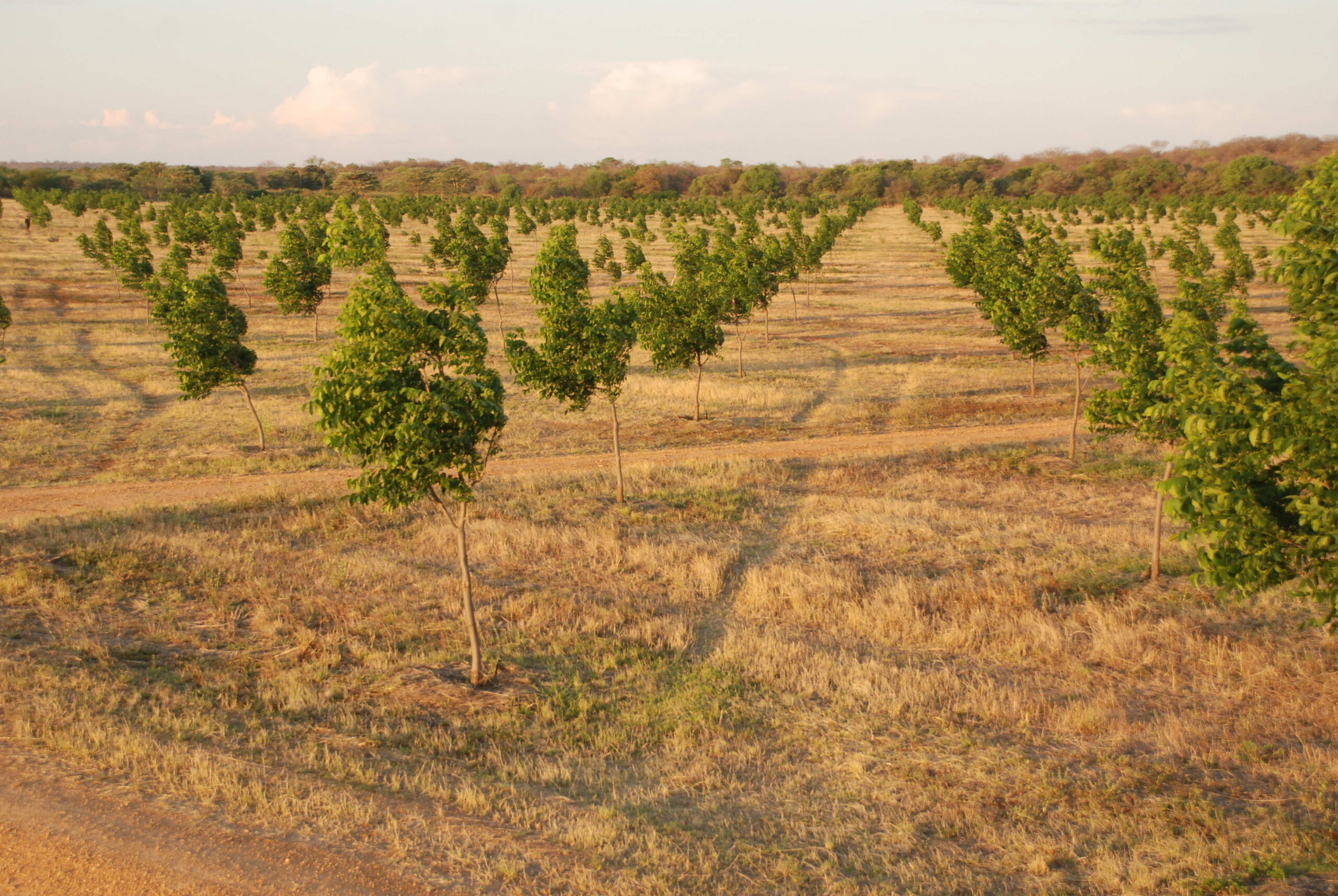
The pecan tree (Carya illinoiensis) is a long-living, deeply rooted, and remarkably hardy deciduous tree. Native to the river valleys of North America, it has transitioned seamlessly into global commercial agriculture. While wild pecan trees can scale towering heights of up to 70 meters, modern commercial plantations actively manage mature orchards through pruning to maintain an accessible height of 15 to 20 meters.
For agricultural investors and farm managers looking to tap into this lucrative global industry, success hinges on understanding the fundamental botanical and environmental building blocks of the tree.
1. The Botanical Engine: Understanding Cross-Pollination
Pecan trees are monoecious, meaning they bear separate male flowers (catkins) and female flowers on the exact same plant. While self-pollination can technically happen, it is highly undesirable, resulting in poor-quality nut sets.
To achieve optimal commercial yields, an orchard must be systematically designed for cross-pollination. This requires a deep understanding of the two distinct cultivar classifications:
Protandrous Cultivars (Type I): These trees shed their pollen early, before their own female flowers are receptive to fertilization.
Protogynous Cultivars (Type II): The female flowers become receptive to pollen before the tree’s own catkins begin shedding pollen.
To ensure consistent, heavy harvests, a commercial orchard must alternate blocks or rows of Type I and Type II cultivars, matching their complementary pollination windows perfectly.
2. Soil Architecture and Root Depth
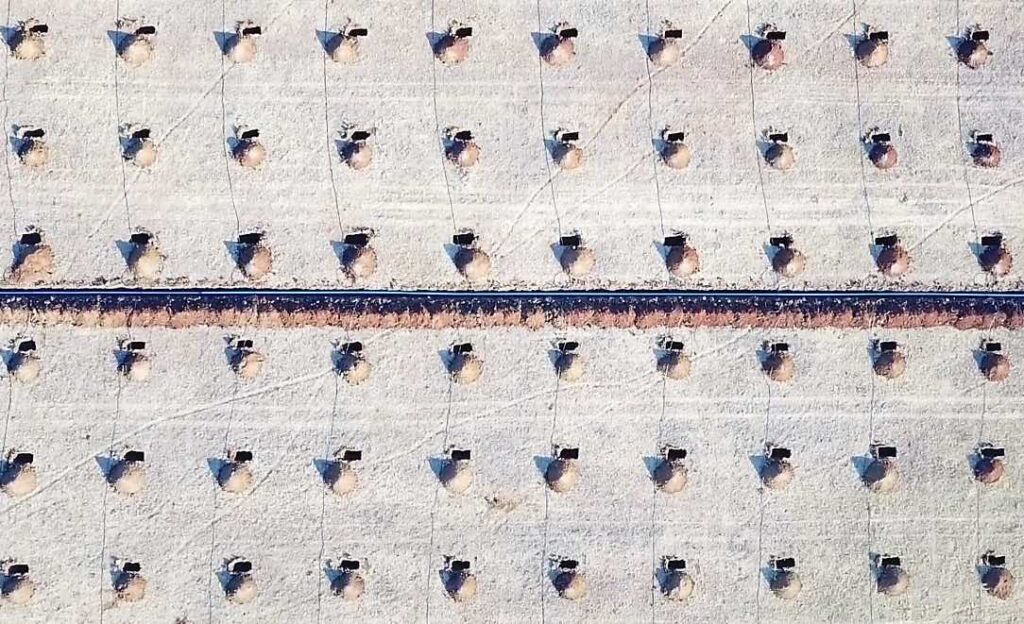
Pecans are long-term investments that require deep, unobstructed root space. The absolute minimum depth of uniform, well-drained soil required is 1.5 to 2 meters.
The Danger of Waterlogging: A pecan tree can tolerate temporary flooding when dormant in winter. However, stagnant water or poorly drained sub-soils during the active summer growing season will starve the roots of oxygen, leading to rapid root death.
Chemistry: Cultivars have been carefully selected to thrive across various environments, but they remain highly sensitive to soil conditions. Zinc management is particularly critical in pecan orchards; a deficiency can lead to “rosette” disease, where leaf development is stunted into small clusters, severely damaging the tree’s photosynthetic capacity.
Pioneer plantings in the 1960s selected a wide array of cultivars from the Nelspruit regions of South Africa, including Pawnee, Ukalinga, Barton, Wichita, Choctaw, and Navajo. As the modern industry matures, Zimbabwean producers are closely following successful regional trends, focusing heavily on a refined mix of Navajo, Western Schley, Choctaw, and Wichita.
While local nursery capabilities are steadily developing within Zimbabwe, the majority of historical plant material has been imported from certified South African nurseries. Though the quality of these trees is excellent, the long-distance cross-border logistics present a major hurdle. Extended transport times subject young trees to severe transplant shock and early mortality. Furthermore, stressed plants are highly susceptible to local subterranean termites—a distinct pest challenge in Zimbabwe that traditional control mechanisms struggle to combat.
Note: This specific logistical risk is exactly why Balu Estate established its own on-site nursery, ensuring our trees transition straight from local soil to our orchards without transport stress.
3. Water Requirements: The Lifeline of the Nut
Never underestimate the water consumption of a mature pecan tree. While trees can survive on rainfall in specific climates, consistent commercial nut quality and high yields require intensive irrigation.
Peak Summer Demand: During the heat of the summer, a mature pecan tree can easily transpire up to 1,000 liters of water per day.
Critical Growth Phase: The most sensitive moisture window occurs late in the season when the nut kernel is filling out. Even a brief period of moisture stress at this stage will result in poorly filled, unmarketable “stick-tights” (nuts where the shuck fails to open).
The Irrigation Standard: Micro-irrigation—specifically under-canopy microjets—is the modern industry standard, delivering highly efficient, localized water directly to the root zone without losing excessive moisture to evaporation.
4. The Financial Journey: Capital and Patience
Stepping into commercial pecan production requires realistic long-term horizons and robust financial planning. This is not a short-term cash crop.
The Timeline to Profitability: A newly planted pecan tree takes roughly 6 years to yield its first commercial crop. In total, an investor must plan for a 15-year horizon to reach a truly cash-positive Return on Investment (ROI) position.
Establishment Costs: Depending on the state of the land (whether it requires intensive bush clearing or has existing water access), growers can expect to invest anywhere between USD $20,000 to $35,000 per hectare to bring an orchard from initial project initiation to its cash-positive tipping point.
The Rewarding Finish Line: Despite the long lead time, the rewards are immense. The current mean yield for well-managed mature orchards sits around 2.7 tonnes of nuts per hectare. For baseline financial modeling, calculating a long-term parameter of 2.7 tonnes per hectare at an average price of USD $4.50 per kg proves that pecans remain one of the most stable and exceptionally lucrative investments in global agriculture.
A Project Built on Zero Shortcuts
Pecan farming rewards meticulous execution and punishes short cuts. If tree selection, cultivar layout, or irrigation designs are flawed in the early developmental stages, the mistake will severely damage the economic viability of the project years down the line. At Balu Estate, our multi-phase orchard layout, dedicated water infrastructure, and integrated farm ecosystem ensure every single tree is set up to achieve maximum commercial potential.